
How Planting Flowers Helps The Environment
When most people think of flowers, they think of beauty, smells, and even just colorful gardens. But flowers do much more than brighten our landscapes, they play a vital role in supporting the environment and helping ecosystems thrive.
Whether planted in a backyard garden, community space, or a simple flower pot, flowers provide important benefits for pollinators, wildlife, and the planet as a whole. It helps create a healthier world.
One of the most important ways flowers help the environment is by providing food for pollinators such as bees, butterflies, hummingbirds, and other beneficial insects. Pollinators rely on nectar and pollen from flowers to survive. In return, they help plants reproduce by transferring pollen between blooms. This process supports the growth of fruits, vegetables, wildflowers, and countless other plants that make up our ecosystems.
Many of the foods and plants we depend on would struggle to survive.
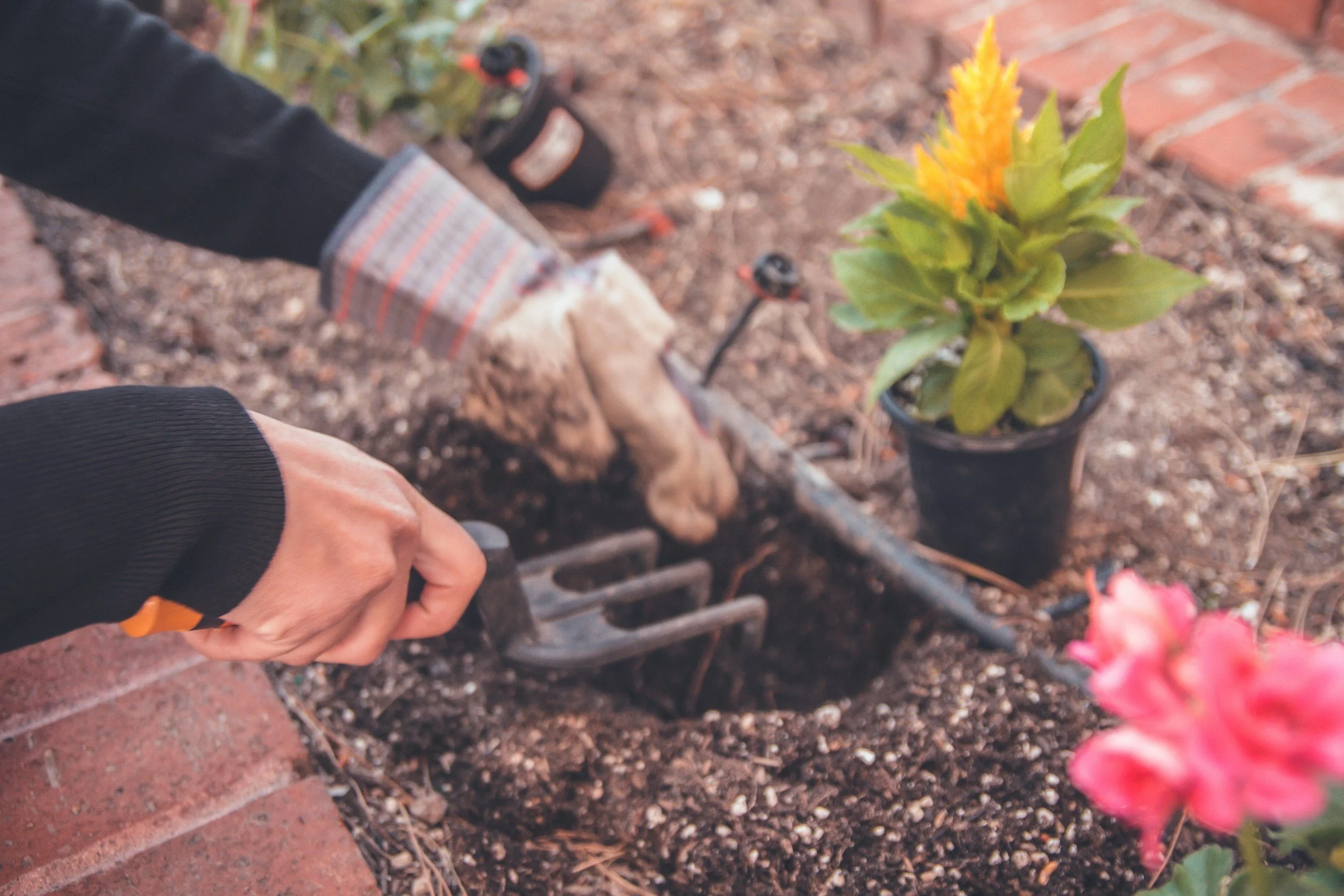
Why Different Flowers Matter:
Flowers Help Increase Biodiversity
Planting a variety of flowers encourages biodiversity by creating habitats for different species of insects, birds, and wildlife.,A healthy ecosystem depends on having a bunch or diverse set of plants and animals working together. Even a small garden filled with pollinator friendly flowers can provide shelter, food, and nesting areas for local wildlife. The more diverse our gardens become, the more resilient our environment we live in can be.
Flowers Improve Soil Health
Flowers do more than support what happens above the ground, they also benefit what happens below it. Many flowering plants help improve soil structure, reduce erosion, and increase the presence of beneficial living things in the soil. Healthy soil supports stronger plants, better water retention, and healthier ecosystems overall.
Flowers Help Clean the Air
If you live in California, you know smog is terrible but planting and having different flowers can help. Like other plants, flowers absorb carbon dioxide and release oxygen through photosynthesis. While a single flower may seem small, collectively gardens, flower beds, and green spaces contribute to cleaner air and healthier communities. Plants also help filter pollutants and improve overall environmental quality anywhere, not just California.
Flowers Conserve Water and Protect Landscapes
Many native and wildflower varieties are naturally adapted to local climates, making them more drought tolerant and requiring less maintenance than traditional lawns. Replacing portions of grass with certain types of flowers can help reduce water usage while creating a more environmentally friendly landscape. (Saves you money and helps the environment, score!)
Flowers Bring People Closer to Nature
Gardens encourage us to spend more time outdoors, practice mindfulness, reduce stress, and appreciate the natural world around us. When people feel connected to nature, they are often more motivated to protect and care for the environment.
Here’s to a better tomorrow…
Flowers are more than beautiful decorations, they are essential partners in supporting pollinators, protecting wildlife, improving air quality, and strengthening ecosystems. At Gloria's Garden, we believe that planting flowers is one of the simplest and most meaningful ways to give back to the environment. Whether you're planting wildflowers, creating a pollinator garden, or sharing seed packets with loved ones, every bloom helps create positive change.
Together, we can grow gardens that are beautiful, purposeful, and beneficial for generations to come.
